
Church groups considering pilgrimages to Israel face unique opportunities and challenges compared to individual travelers. Organizing a congregational journey requires careful planning, but the spiritual benefits for participants and the broader church community prove substantial. Understanding the process helps church leaders create transformative experiences for their members in 2025.
The decision to lead a church group pilgrimage often emerges from pastoral vision. Pastors recognize that experiencing biblical sites together strengthens congregational bonds and deepens collective faith understanding. Members who journey together return with shared stories and renewed commitment to their local church community.
?What Are the Benefits of Group Pilgrimages for Churches
Congregational pilgrimages create lasting impact on church life. Participants develop stronger relationships through shared spiritual experiences. Prayer at the Garden of Gethsemane or worship beside the Sea of Galilee creates bonds that persist long after returning home.
Educational benefits extend beyond participants. Pilgrims become resources for the entire congregation, sharing insights gained from expert guides and personal experiences. Many churches organize post-trip presentations or discussion series where travelers help others understand biblical contexts.
Financial advantages make group travel more accessible. Tour operators provide discounted pricing for larger groups, reducing per-person costs significantly. Many companies offer free or discounted places for trip organizers based on group size.
Leadership development opportunities emerge naturally. Organizing complex international travel requires skills in coordination, communication, and problem-solving. Church leaders gain experience that benefits other ministry areas.
?How Should Church Leaders Begin Planning
Initial planning should start twelve to eighteen months before departure. This timeline allows adequate promotion, fundraising, and logistical coordination. Early planning also secures better pricing and availability.
Selecting the right Tour Operator in Israel proves critical. Churches should interview multiple companies, examining their experience with religious groups, guide qualifications, and operational track record. Christian heritage sites require guides who understand both history and theology.
Budget development requires transparency. Total costs should include airfare, land arrangements, meals, tips, travel insurance, and personal expenses. Churches often establish payment schedules allowing members to spread costs over several months.
?What Itinerary Elements Matter Most for Church Groups
Successful church group itineraries balance structure with flexibility. Core elements typically span eight to twelve days, covering major biblical sites while allowing time for rest and reflection.
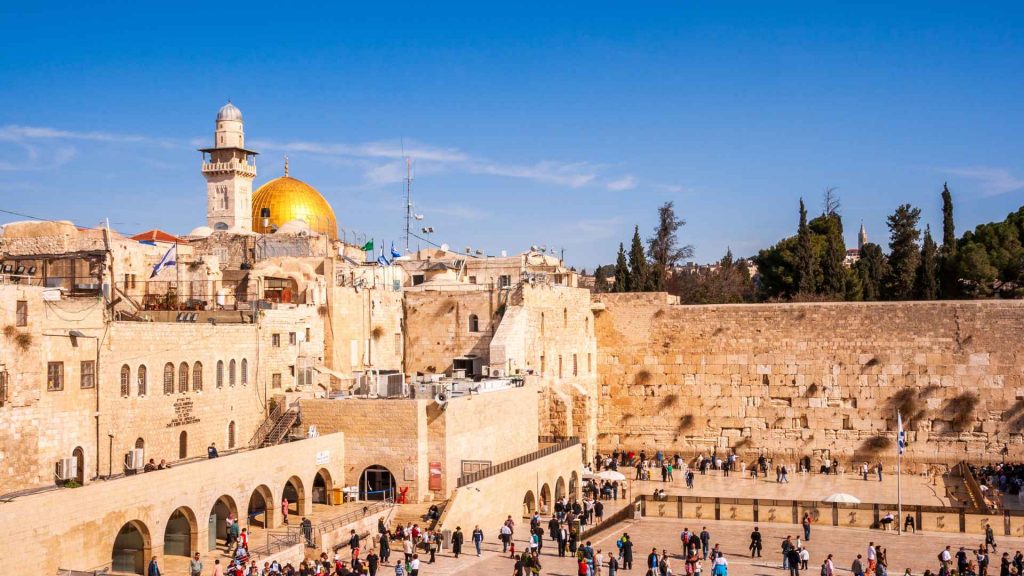
Jerusalem requires multiple days given the concentration of significant sites. Groups visit the Old City, including the Via Dolorosa, Church of the Holy Sepulchre, and Western Wall. The Mount of Olives provides panoramic views while marking locations related to Jesus's final week.
Galilee region visits connect groups with Jesus's ministry years. Capernaum, the Mount of Beatitudes, and Magdala help participants visualize gospel accounts. Boat rides across the Sea of Galilee often become pilgrimage highlights, with groups singing hymns and reading scripture on the water.
Bethlehem visits focus on the nativity story, with time at the Church of the Nativity and surrounding sites. Many groups include Shepherds' Field, where tradition places the angels' announcement to shepherds.
Special worship opportunities enhance spiritual experience. Many church groups arrange communion services at meaningful locations like the Garden Tomb. Morning devotions beside the Sea of Galilee or evening reflections overlooking Jerusalem add depth to daily activities.
Optional extensions allow groups to customize their experience. Jordan additions include Petra, Mount Nebo, and the Jordanian side of the Dead Sea. Egypt extensions incorporate Cairo, the pyramids, and Mount Sinai. These additions typically add three to five days.
?How Can Churches Make Pilgrimages Affordable
Cost represents the primary barrier for many potential pilgrims. Churches employ various strategies to increase accessibility. Fundraising events like special dinners, concerts, or auctions help offset individual costs. Some churches contribute from general funds or establish scholarship programs for members with financial need.
Early booking discounts reward advance planning. Tour operators typically offer reduced pricing for reservations made six to twelve months ahead. Group leaders who recruit quickly benefit from these savings.
Payment plans ease financial burden. Breaking total cost into monthly installments over eight to twelve months makes participation more manageable for members on fixed or modest incomes.
What Role Do Tour Guides Play in Group Experience
Professional guides prove invaluable for church groups. Licensed Israeli guides undergo rigorous training in history, archaeology, and religious studies. They provide context that transforms site visits from simple observation into deep learning.
Guides adapt presentations to group interests and theological perspectives. A Catholic group receives different emphases than an Evangelical or Messianic congregation. Skilled guides respect diverse viewpoints while maintaining historical accuracy.
Logistical expertise helps groups navigate complex environments. Guides understand security procedures, manage site entry, and coordinate with local authorities. They know which restaurants accommodate large groups and which shops offer fair pricing.
?How Should Groups Prepare Spiritually
Pre-trip preparation enhances pilgrimage experience. Churches typically conduct several preparatory sessions covering practical and spiritual aspects. Bible studies focusing on gospel accounts help members anticipate site significance.
Reading assignments provide background. Books about first-century Jewish culture, biblical geography, and early Christianity deepen understanding. Many groups study the same materials together, creating shared knowledge foundation.
Prayer support proves essential. Churches commission pilgrims through special worship services, seeking God's protection and spiritual openness. Some establish prayer partners who commit to interceding while the group travels.
?What Practical Considerations Matter
Health and mobility issues require honest assessment. Most tours involve considerable walking over varied terrain. Groups should discuss physical requirements clearly, helping members make informed participation decisions. Some tour operators offer modified itineraries accommodating limited mobility.
Travel insurance protects against unexpected circumstances. Comprehensive policies cover medical emergencies, trip cancellation, and lost luggage. Group policies often provide better rates than individual coverage.
Passport validity requires attention. Most countries require passports remain valid six months beyond travel dates. Processing new passports or renewals can take several weeks.
Cultural sensitivity training helps prevent misunderstandings. Israel's diverse population includes Jews, Muslims, and Christians with varying religious practices. Understanding appropriate dress, behavior at religious sites, and local customs shows respect.
Leading Transformative Church Pilgrimages
Organizing church group pilgrimages requires significant effort but yields tremendous spiritual rewards. Careful planning, clear communication, and partnership with experienced tour operators create conditions for meaningful encounters with sacred history. Groups return home with strengthened faith, deeper biblical understanding, and renewed commitment to their congregations. The shared experience continues influencing church life for years, as participants integrate insights gained from walking where Jesus walked. Church leaders who undertake this endeavor serve their congregations profoundly, offering experiences that shape spiritual journeys in lasting ways.